visual storytelling
and illustrations
The Role of Illustrations in the Bluey Fictional Series
Bluey's illustrations are essential to the story's development. In addition to portraying the characters and environments, they also communicate feelings, behaviors, and social clues that might not be made clear in the text. For pre-literate kids who need graphics to comprehend the story, this visual storytelling is especially helpful.
In Bluey: Sleepytime, the illustrations of Bingo lying in bed and gazing up at the stars use gentle, calming hues to evoke feelings of warmth and serenity. Visual cues support the story's lesson about maturing and gaining independence.
Through the characters' expressions and body language, visual storytelling assists in children's understanding of emotions and social relations. These visual clues are frequently used by pre-literate kids to decipher the feelings and behaviors of characters, which supports their own social-emotional growth.
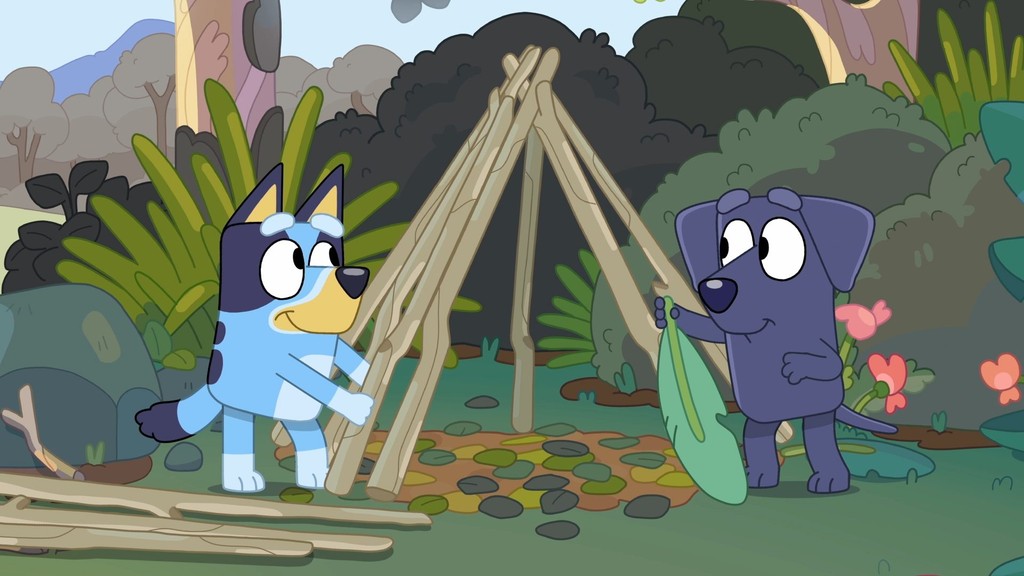
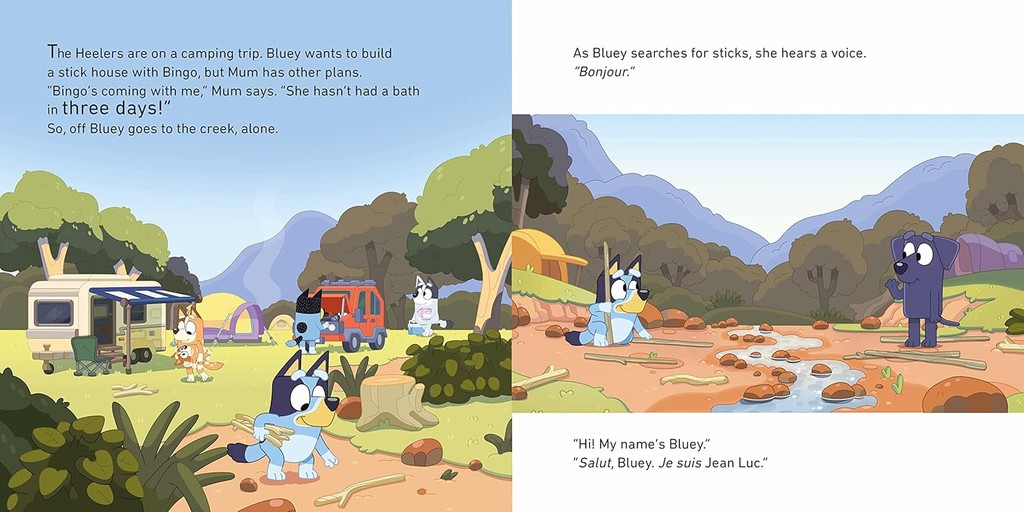
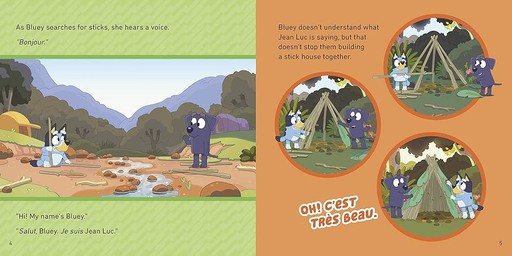
For instance, the images in Bluey: Camping illustrate Bluey's joyful smile as she pitches the tent along with her new friend, Jean Luc, who doesn't speak her language. Despite the communication and language barrier, the two children effortlessly play together. This visual representation promotes empathy and emotional awareness in kids by helping them in understanding the various emotional reactions to unexpected situations.
Comparing to other Children’s Books
David Shannon’s No, David!
Children may better grasp how actions have emotional repercussions by seeing David's exaggerated facial emotions and actions in the pictures, which also reflect the story's emotional tone.
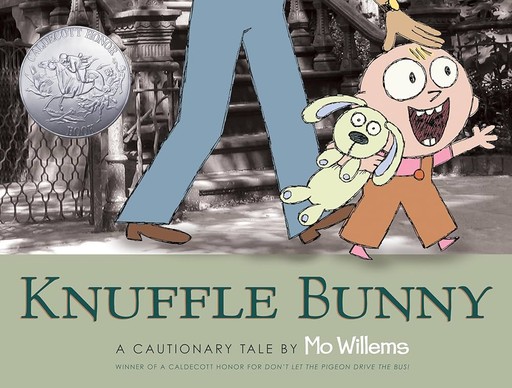
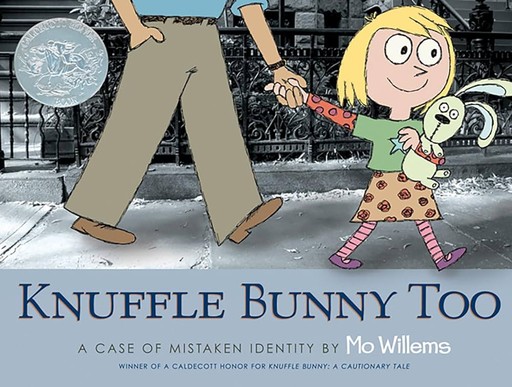
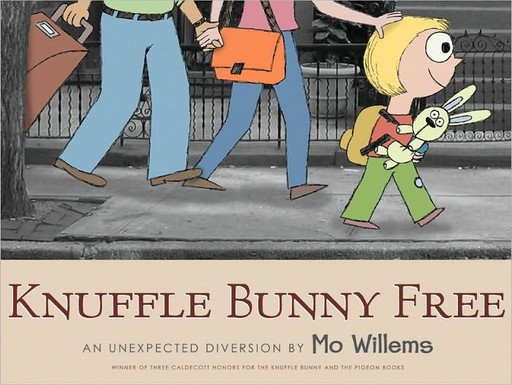
Mo Willems' Knuffle Bunny Series
The story's combination of graphics and photos makes it easier for kids to relate to it more deeply. While the graphics highlight the character's feelings and actions, realistic images add context and strengthen the story.

made with bread + butter
© 2024
catherine tran | uwp 12 a02